Harm Reduction Kit - Regulation & Safe Ouch Supports
A grab-and-go collection of safe ouch sensory tools for people who seek strong tactile, pressure or movement input as part of their regulation toolkit. Curated by Jo, drawing on her Occupational Therapy background and lived experience, the kit brings a range of options together in a robust storage case for personal use, workplaces, education settings and clinical contexts. Different tools suit different people and moments; not every item will suit everyone.
Contents have an individual retail value of $343.35
What's included
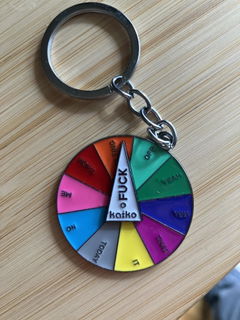
- 1 hard PVC SpiKEYring pad (pad only; no fidget loop or silicone pad)
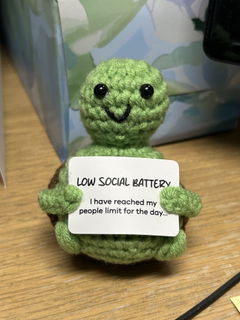
- 1 Calm Buddi Turtle on a Kaiko custom keyring
- 4 Wrist Spikeys: 1 Medium, 1 Large, 1 Large plus a Bit and 1 XL. Colours: 2 black, 1 teal and 1 purple. Colour-to-size combinations may vary.
- 1 Standard Finger Spikey and 1 Tighter Finger Spikey
- 1 Spikey Mega Cog
- 1 Spikey Ball
- 1 Spikey Spinner Pen (steel and copper; blue ink; 0.5 mm ballpoint)
- 1 100 g Oil Slick Spikey Hand Roller (aluminium), with Allen key and tin
- 1 robust black hard storage case with all foam inserts
Colours are selected when the kit is assembled and cannot be substituted. The storage case’s foam inserts are removable.
Materials
- SpiKEYring pad: PVC
- Wrist and Finger Spikeys: carbon steel with powder coating
- Spikey Mega Cog: stainless steel & Copper
- Spikey Spikey Ball: PVC
- Spikey Spinner Pen: Steel and Copper
- 100 g Spikey Hand Roller: aluminium
- Calm Buddi Turtle: recycled milk bottle tops
- Storage case: hard plastic with foam inserts
Ways to use the Wrist and Finger Spikeys
These Spikeys offer several kinds of firm, textured input. Different people prefer different methods and sizes. Adjust the pressure to suit the person using it and the kind of input they’re seeking.
Wrist Spikey
- Press and twist: Wear the Spikey around your wrist. Use your other hand to press the band against your wrist and twist it, creating focused pressure. Adjust the pressure to preference and release when finished.
- Roll: Roll it up and down your arm for moving, textured input. Smaller sizes tend to create more intense input and are generally better for use as needed than for all-day wear.
- Rub or fidget: Hold it in one or both hands, or rub it between your palms.
- Clench and pulse: Wear it over your palm and close your hand around it, squeezing and releasing to vary the pressure.
- Flick: When appropriate, wear it on the wrist, ankle or over the elbow and flick the band for a brief tingling sensation. Keep the force controlled and stop if it marks or irritates the skin.
- Use as a picking alternative: Some people rub the texture against areas where they tend to pick. Keep contact controlled; repeated friction can irritate skin.
Finger Spikey
- Roll: Roll it up and down the finger for firm, textured feedback.
- Clench: Close your hand into a fist around the Spikey and squeeze or pulse your hand to vary the pressure.
- Twist around the fingertip: Rotate the Spikey around the finger tip to create focused pressure. Do not twist the metal loop back on itself or pull it forcefully; this can open or damage it at the join.
For more on sizing and use, see the Wrist Spikey listing, the Standard Finger Spikey listing and the Tighter Finger Spikey listing.
Safe use
- Use each tool as intended and adjust the pressure to suit. Start gently. Stop if the sensation is uncomfortable or causes persistent pain, numbness, swelling, irritation or broken skin.
- For the SpiKEYring pad, Spikey Spinner Pen and Spikey Mega Cog, press the textured points against the hand or fingertips. Do not scrape or repeatedly drag pointed or textured surfaces across skin; this can cause redness or skin damage.
- When wearing a Wrist Spikey, check that it is comfortable and does not restrict circulation. Do not pull or stretch it forcefully.
- The PVC ball is firm and does not flex. Use controlled pressure and avoid irritated or damaged skin.
- Stop using any item that is damaged.
Recommended for ages 14+. Contains small parts and pointed or highly textured components. These sensory tools may support an individual regulation plan, but they cannot guarantee prevention of injury or replace professional support.